Places to Visit in Malta
UNESCO Cities, Ancient Temples & Turquoise Seas — the Island’s Must-See Sights
Malta packs 7,000 years of history into an island smaller than most cities: a golden fortified capital, temples older than the pyramids, sea caves and the bluest water in the Mediterranean — with halal food and prayer notes woven in.
See the Top Places ↓ Muslim Travel GuideStart Here
One Small Island, an Extraordinary List of Sights
Few places pack so much into so little space. Within an hour’s drive of anywhere in Malta you can stand in a temple raised around 3600 BC, walk a capital that is a UNESCO World Heritage Site in its entirety, swim in a turquoise lagoon and dine in a working fishing village — all in one day, if you had the energy.
It is written from a halal traveller’s point of view: every place below carries a short Muslim traveller note — the nearest halal food, a seafood workaround, or a prayer tip — so sightseeing and eating plan together. For official visitor information, the national tourism portal VisitMalta is the companion to keep open in the next tab.
Quick Answer
The Six Must-See Places in Malta
Short on time? See these six first. Valletta, the UNESCO-listed capital, for St John’s Co-Cathedral and the Grand Harbour views. Mdina, the Silent City, for medieval lanes and island-wide views. The Blue Lagoon on Comino, for Malta’s famous turquoise swim. Gozo, for the Ġgantija temples and the hilltop Citadel. Ħaġar Qim & Mnajdra, temples older than the pyramids. And Marsaxlokk, the fishing village of painted luzzu boats and Malta’s best seafood lunches.
The Essentials
The Top Places to Visit in Malta
Twelve essential stops — roughly in the order most visitors fall for them — each with a Muslim traveller note on the nearest halal food.
Valletta — the Capital
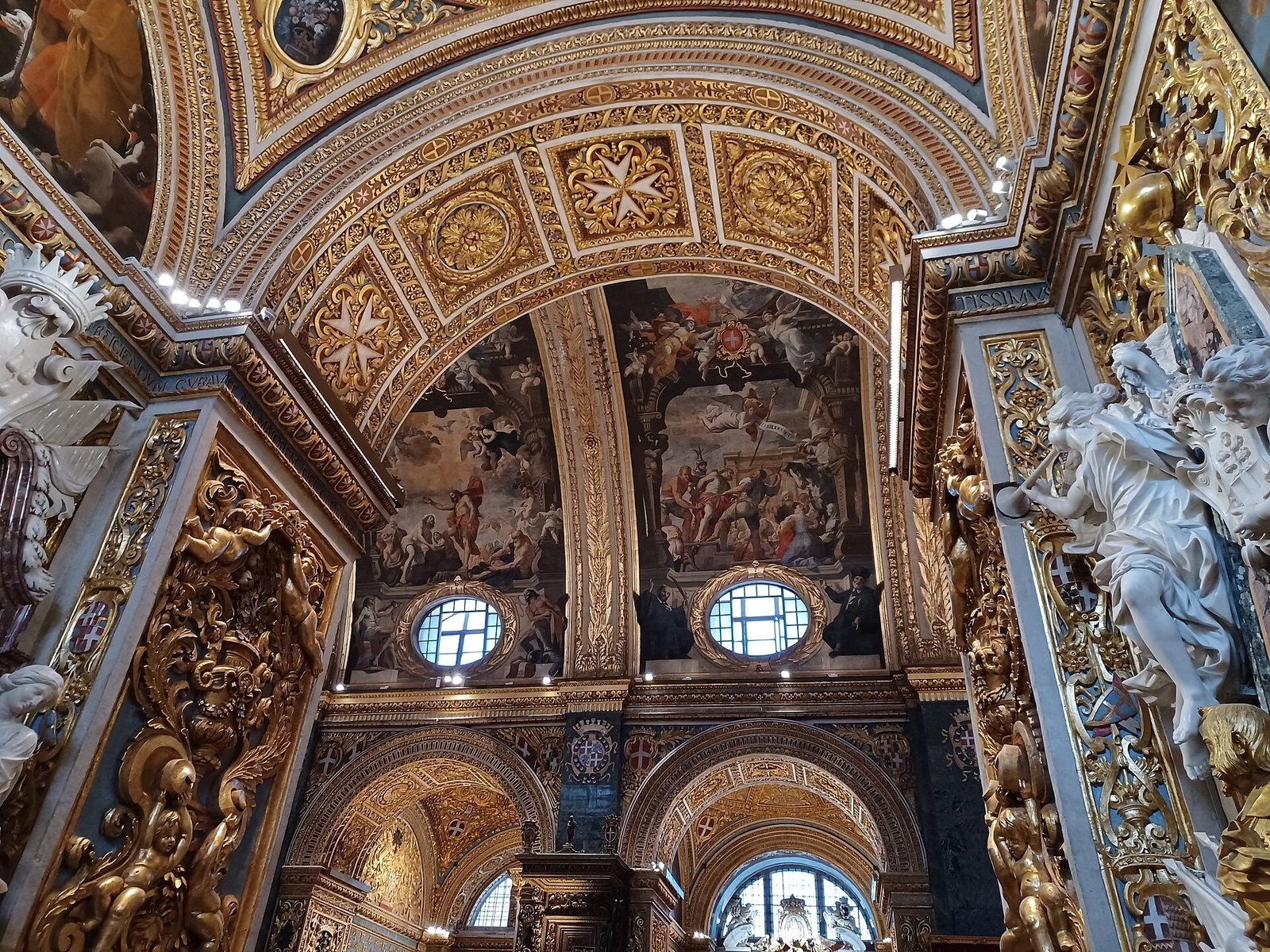
Malta’s capital is a fortified city built by the Knights of St John after the Great Siege of 1565 — and the entire city is a UNESCO World Heritage Site. Walk the golden limestone grid to St John’s Co-Cathedral, where Caravaggio’s great Beheading of St John hangs in the oratory, then climb to the Upper Barrakka Gardens for the Grand Harbour panorama, timed for the noon firing of the Saluting Battery below.
Mdina — the Silent City
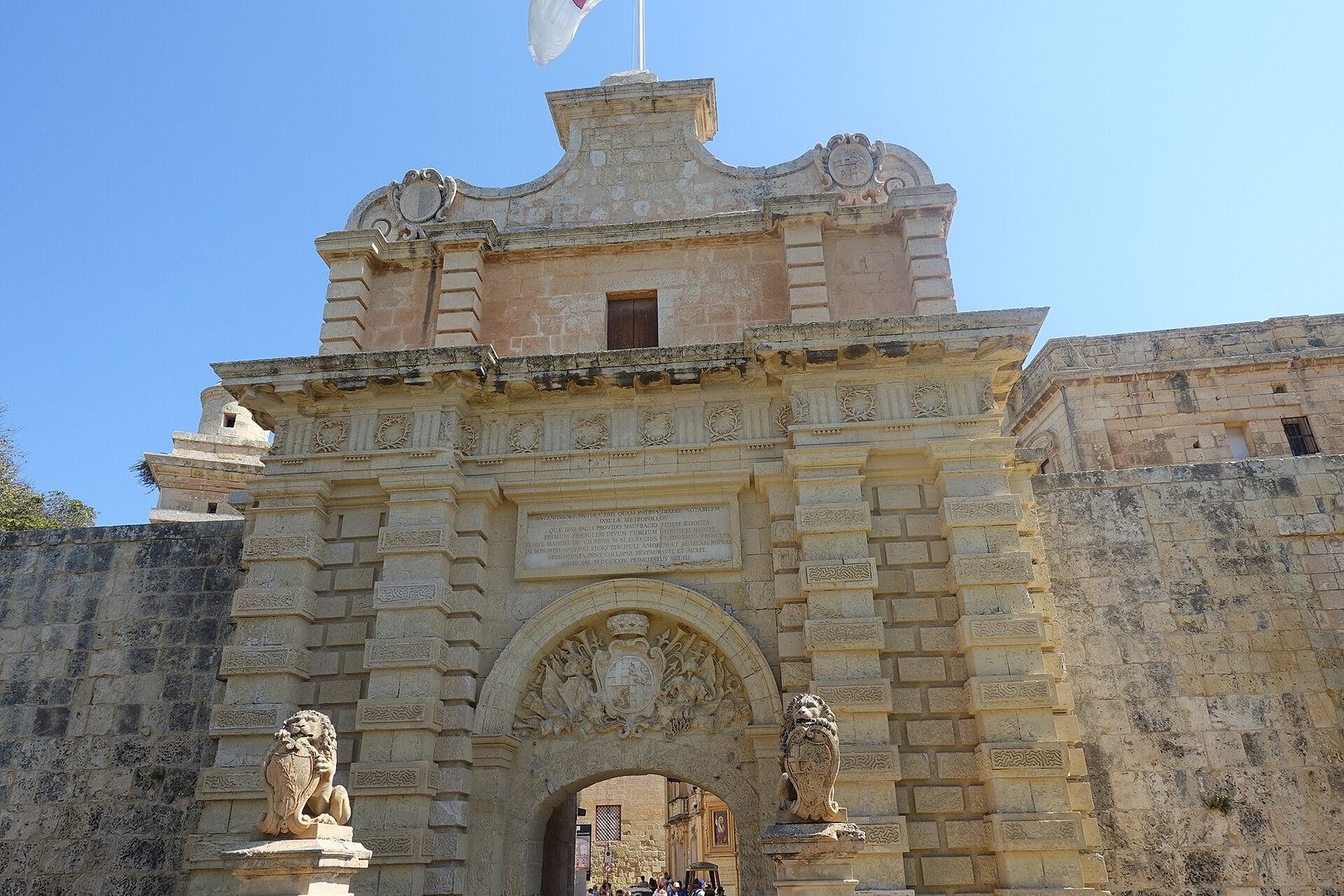
Malta’s former capital is a walled hilltop town of honey-stone palaces and lanes barely wide enough for a horse and cart. Cars are largely kept out, and the nickname “Silent City” earns itself within minutes of passing the Main Gate. Find St Paul’s Cathedral, rebuilt in Baroque style after the 1693 earthquake, then walk the bastions for views across the island to the sea. Only a few hundred people live inside the walls — come early or at dusk, when the crowds leave and Mdina falls silent.
Rabat & St Paul’s Catacombs
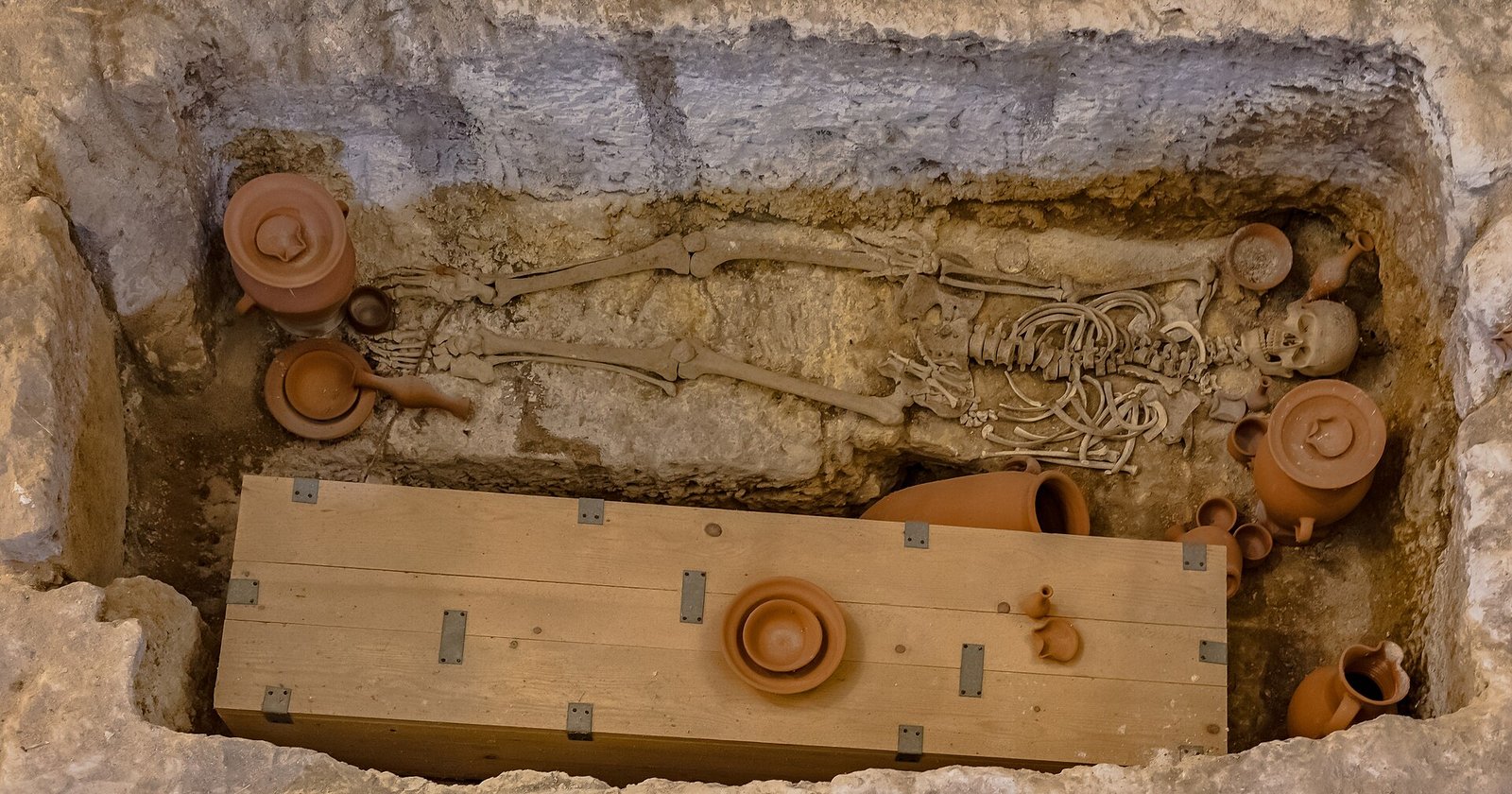
Just beyond Mdina’s walls, Rabat — its name is the Arabic word for a suburb outside a fortress — is a working Maltese town above one of the Mediterranean’s great underground sights. St Paul’s Catacombs form a vast late-Roman burial complex: tunnels of rock-cut tombs and ritual tables carved from the 4th century onwards. Above ground, tradition holds that St Paul sheltered in a grotto here after his shipwreck in 60 CE, and the town’s bakeries make an easy lunch stop.
The Three Cities & Fort St Angelo
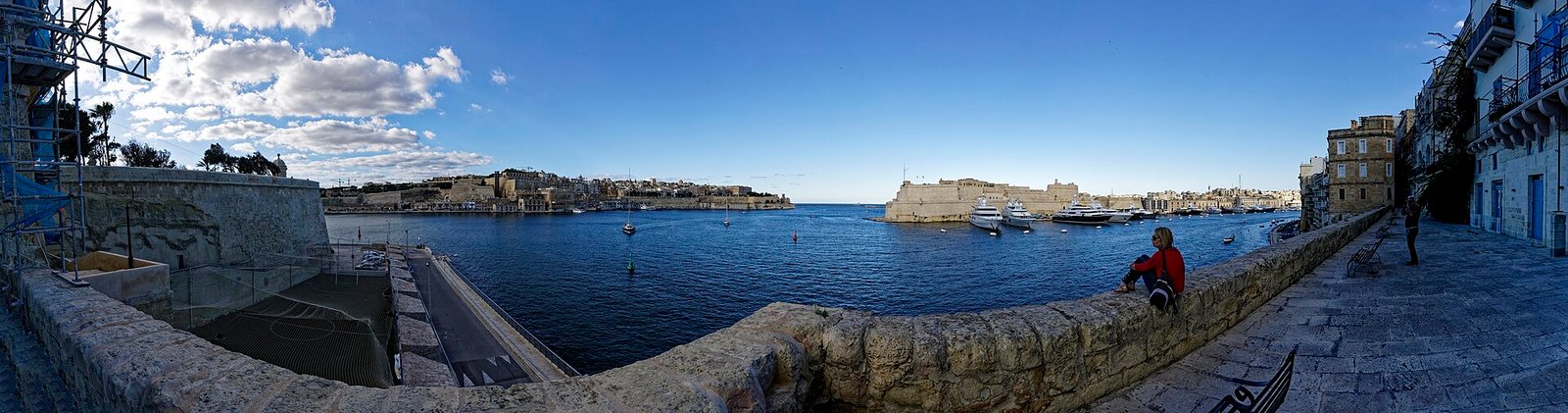
Across the Grand Harbour from Valletta stand the Three Cities — Birgu, Senglea and Bormla — the Knights’ first home in Malta. Birgu (Vittoriosa) is the star: walk its quiet, flower-hung alleys to Fort St Angelo, the stronghold that held through the Great Siege of 1565, then look back for the classic postcard view of the capital. Cross to Senglea for the Gardjola Gardens and their carved lookout, and ride a traditional dgħajsa water taxi back across the harbour.
Marsaxlokk — the Fishing Village
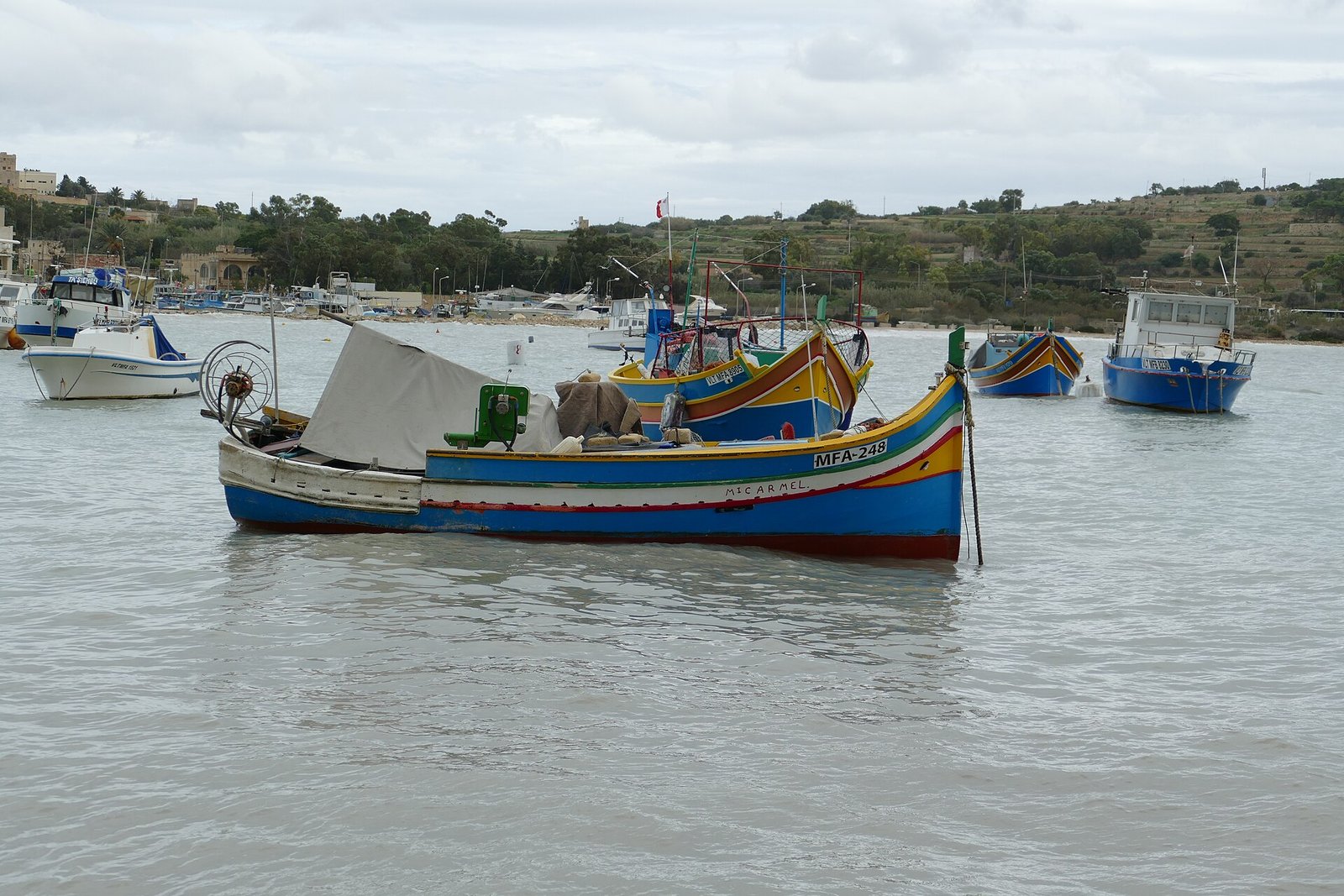
Malta’s most photogenic village is a working fishing port in the south-east, its bay filled with luzzu — brightly painted boats, each carrying the protective Eye of Horus on its bow. Come on Sunday for the famous fish market, when stalls line the quay with the morning’s catch alongside local honey, preserves and lace; on quieter weekdays the same restaurants serve that catch at long, slow lunches. Marsaxlokk is Malta at its gentlest — just boats, sea air and superb fish.
The Blue Grotto
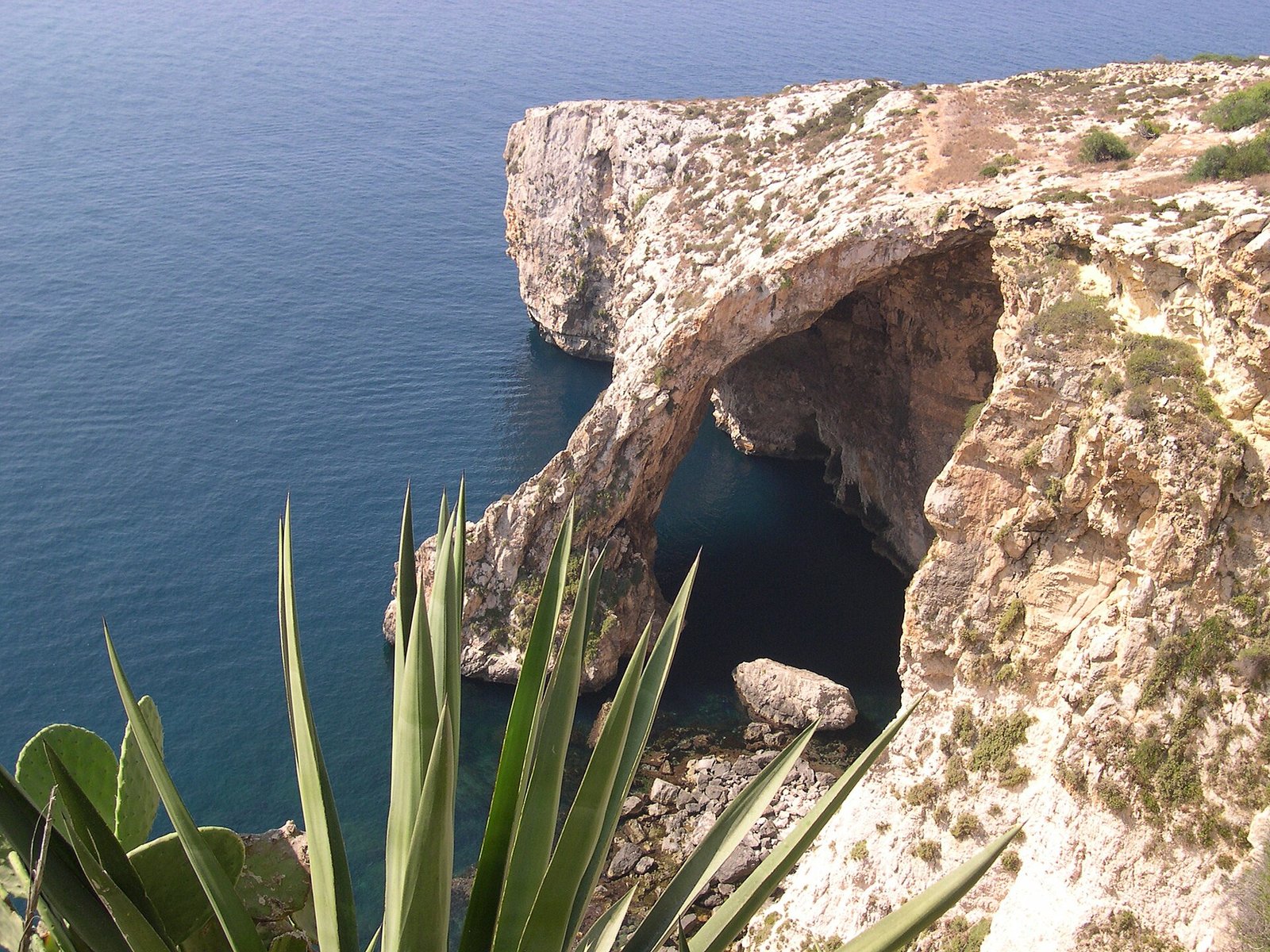
On Malta’s south coast near Żurrieq, the Blue Grotto is a chain of sea caves carved into towering cliffs, famous for the electric-blue light that bounces through the water on sunny mornings. Small boats leave the Wied iż-Żurrieq inlet whenever the sea allows — go early, when the light is strongest and the water calmest. From the viewpoint above, the great natural arch and the islet of Filfla frame a classic coastal photograph.
Ħaġar Qim & Mnajdra Temples
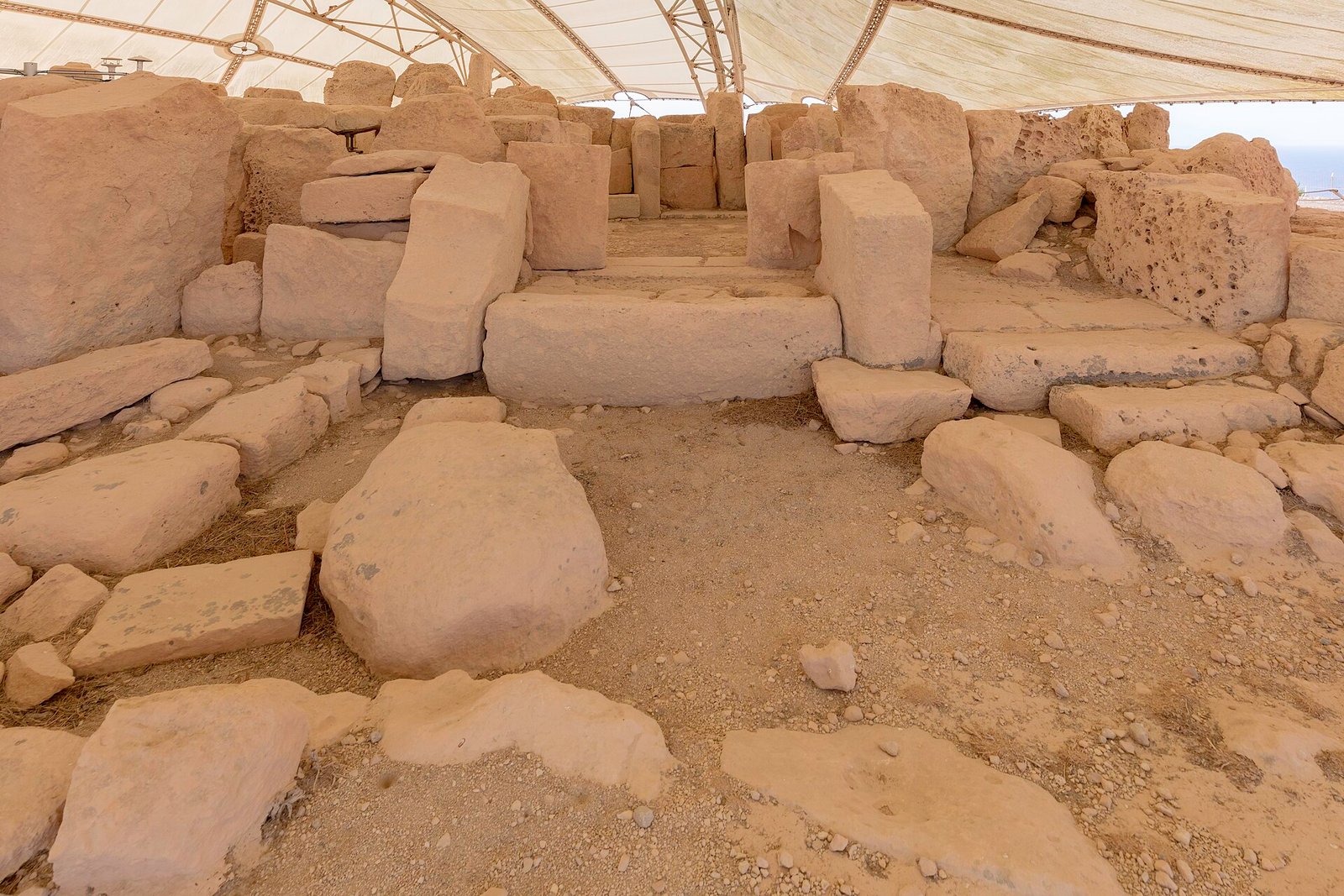
Older than the pyramids and Stonehenge, the twin temples of Ħaġar Qim and Mnajdra stand on a windswept plateau above the south coast, built around 3600–3200 BC and UNESCO-listed among Malta’s Megalithic Temples. Ħaġar Qim’s great standing stones and carved altars now rest under a protective canopy; a short walk downhill, Mnajdra’s lower temple is aligned so sunlight strikes its inner chambers at the solstices and equinoxes. Start at the visitor centre, which explains the astronomy first.
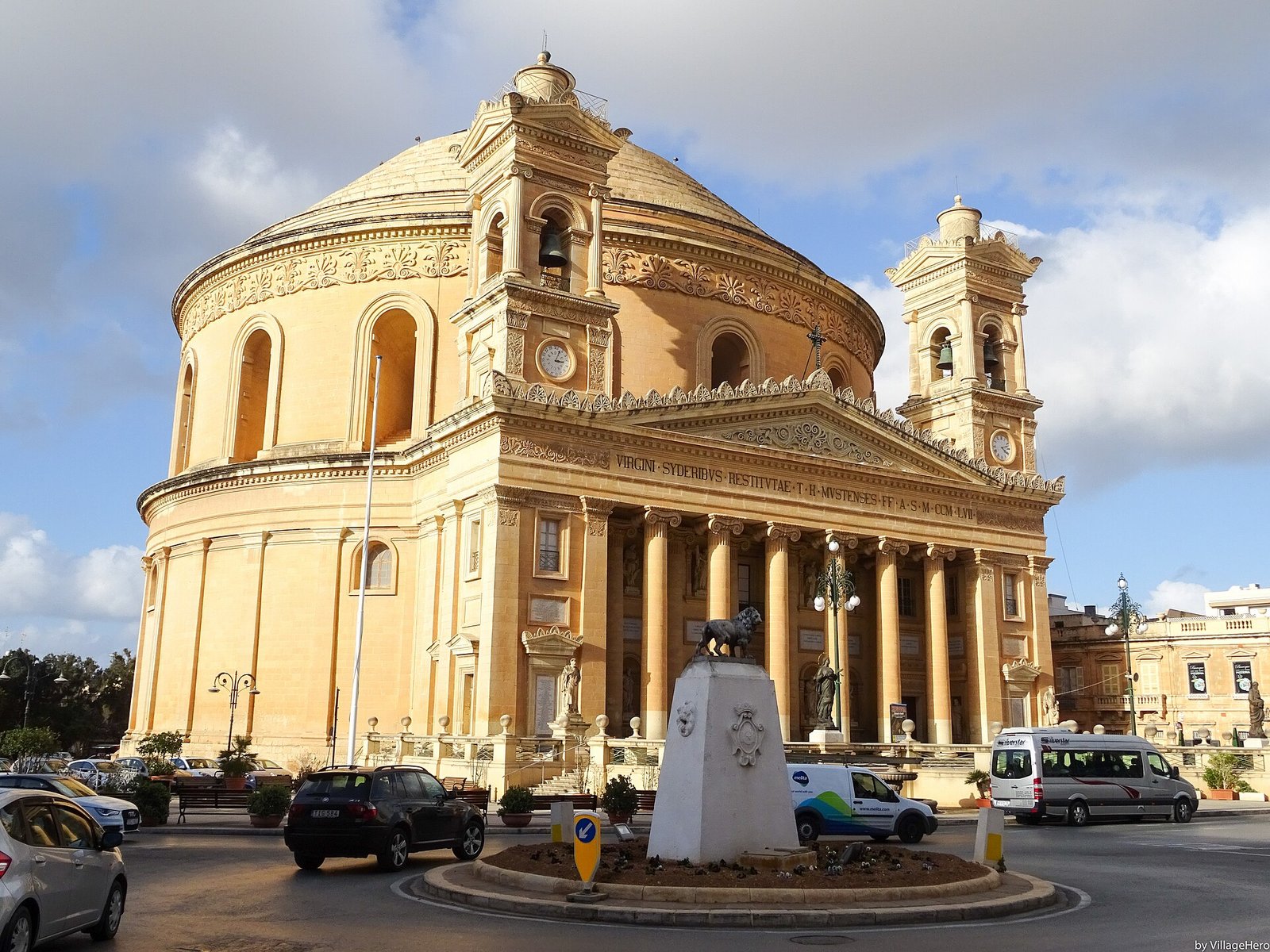
Mosta Dome — the Rotunda
The Rotunda of Mosta carries one of Europe’s great unsupported domes, visible from half the island — but its fame rests on a single afternoon. On 9 April 1942, with hundreds gathered inside for Mass, a bomb pierced the dome and landed on the church floor… and never exploded. Nobody was hurt. The event is remembered as the Miracle of Mosta, and a replica of the bomb is displayed in the sacristy. Climb to the dome’s gallery for the view afterwards.
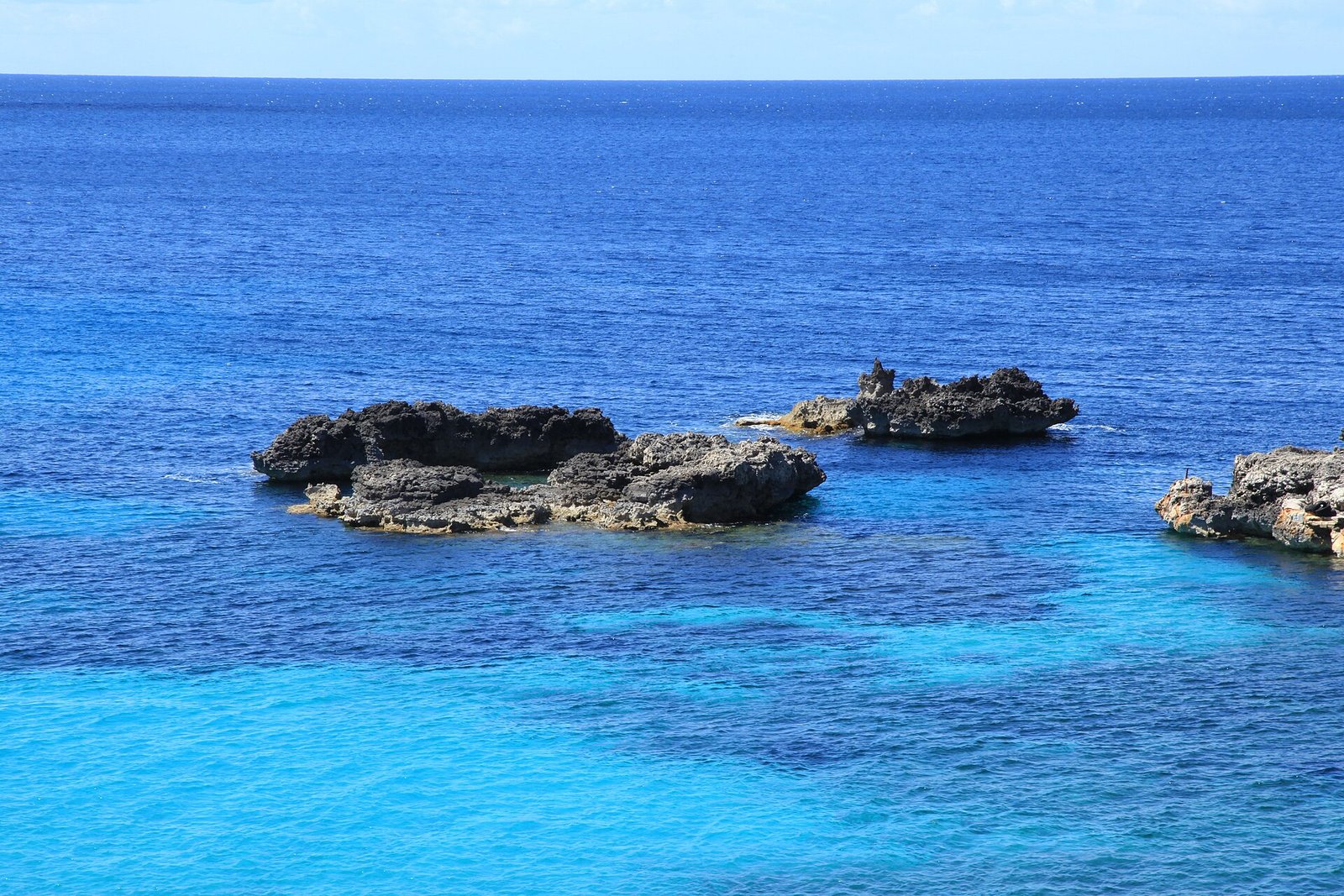
Blue Lagoon & Comino
Between tiny Comino and the islet of Cominotto lies the Blue Lagoon — shallow, white-sand water in shades of turquoise that have to be seen to be believed. Boats run from Ċirkewwa and Marfa on the main island, and from Buġibba and Sliema in season. Take the first boat, swim before the crowds arrive, then walk Comino’s rugged, car-free paths to St Mary’s Tower. In high summer it fills by midday — early starts are the local secret.
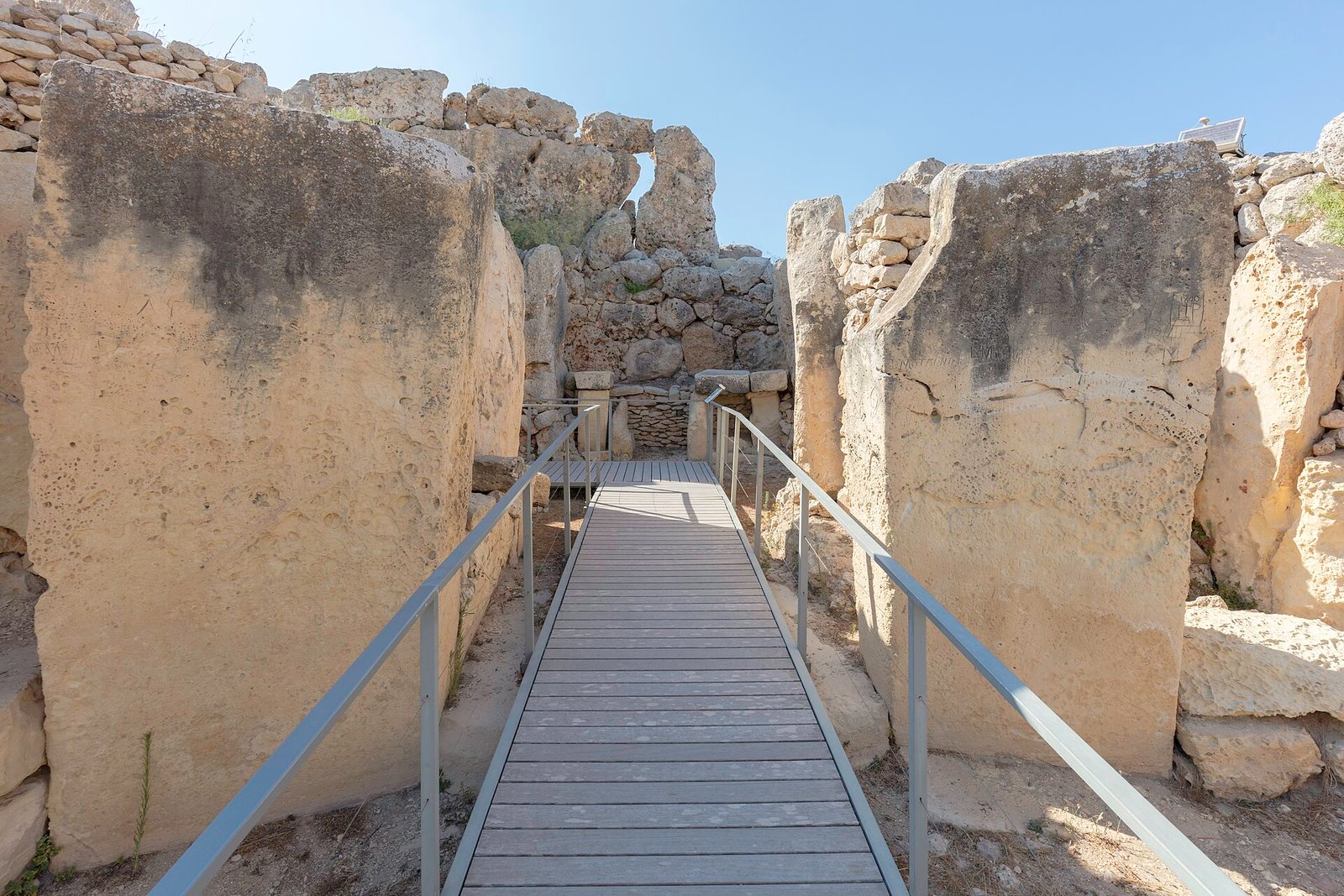
Gozo — a Day Trip to the Sister Island
Malta’s greener, slower sister island repays a full day. Ride the ferry from Ċirkewwa — about 25 minutes — to Mġarr, then make for the Ġgantija Temples — giant stone sanctuaries raised around 3600 BC, older than the pyramids — and the Citadel above Victoria. Swim at Ramla Bay, Gozo’s great sweep of red-gold sand, and finish at Dwejra: the Azure Window arch collapsed into the sea in 2017, but the Inland Sea lagoon and its boat rides through the caves remain unmissable.
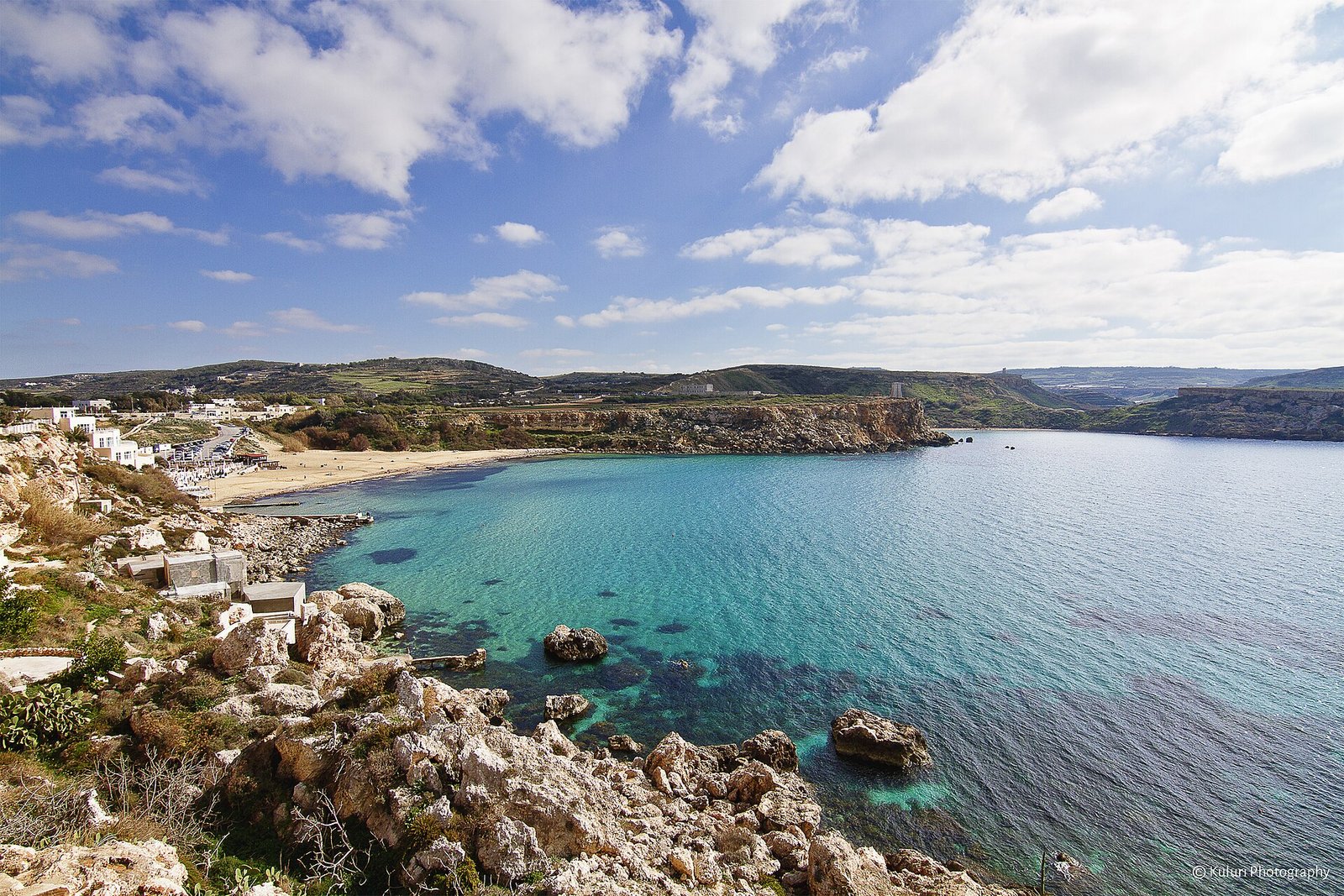
Beaches & Cliffs — Golden Bay to Dingli
Malta’s coast mixes soft sand with high limestone drama. Golden Bay, on the north-west coast, is the classic sunset beach — a broad sweep of sand beneath clay slopes — while Mellieħa Bay (Għadira) is the island’s largest sandy beach, shallow, sheltered and family-friendly. For the opposite mood, walk the Dingli Cliffs on the west coast: at around 250 metres this is Malta’s highest point, where the land drops sheer into open sea and sunset draws a quiet crowd.
Popeye Village
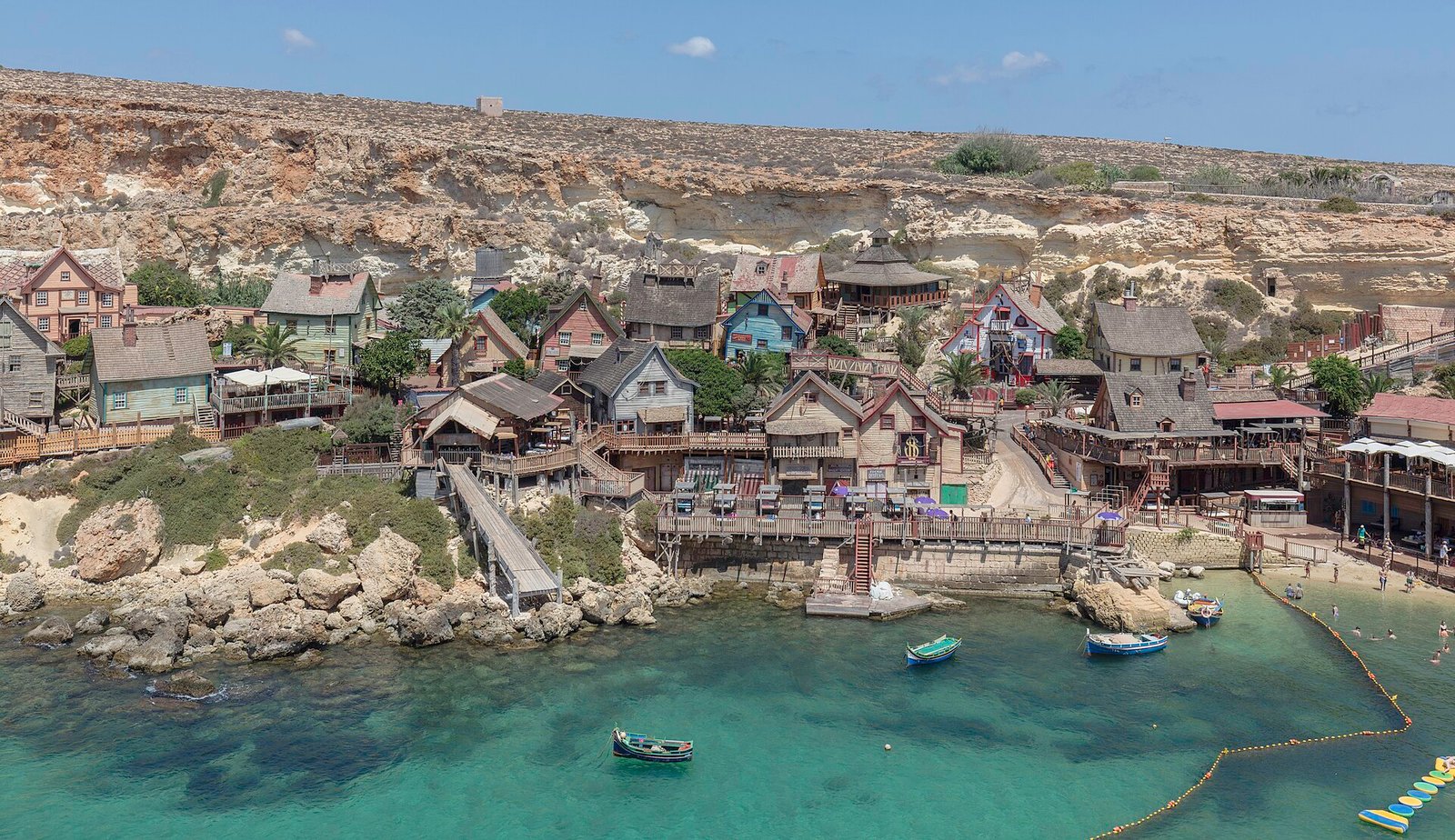
At Anchor Bay near Mellieħa stands one of the world’s most unusual film sets: the village of Sweethaven, built in 1979 for the 1980 musical Popeye, starring Robin Williams — and never taken down. Today it is a family attraction of crooked, colourful houses, shows, boat rides and a swimming cove. Children love the make-believe; adults come for the oddity of a Hollywood village fossilised on a Maltese cliff. Pair it with Mellieħa beach, just below.
Good to Know
Malta for Muslim Travellers — the Short Version
Islam is woven into Malta’s foundations. Arab rule from 870 to 1091 left many legacies — the deepest is the Maltese language itself, which descends from Arabic. You will hear it in place names all week: Mdina (the city), Rabat (the suburb), Marsa (the harbour). Malta today is a predominantly Catholic, warmly hospitable country with a small resident Muslim community and no restrictions on Islamic dress.
For prayer, the island’s one purpose-built mosque — Mariam Al-Batool in Paola — hosts daily and Friday congregations, and the airport has multi-faith prayer rooms. Halal restaurants span the main towns, from Valletta’s market hall to the Sliema–St Julian’s belt. Our full Muslim Travel Guide to Malta covers mosque, prayer, where to stay and Ramadan in depth; the locations guide maps halal food area by area.
Keep Planning
Our Travel Guides
The guides that turn a list of sights into a trip.
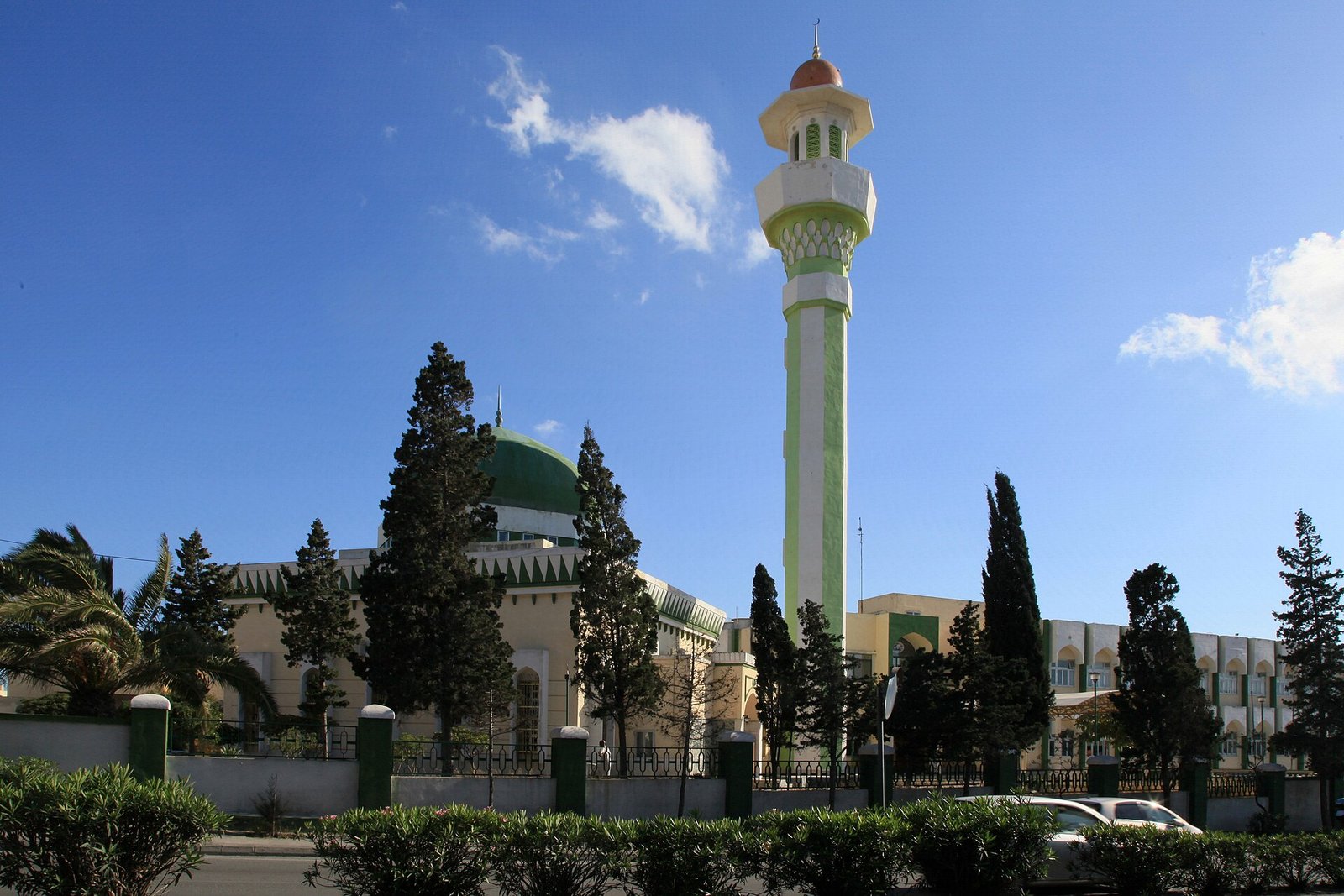
Muslim Travel Guide to Malta
Our flagship guide: halal food, the Mariam Al-Batool Mosque and prayer options, Muslim-friendly areas to stay, Ramadan advice and a ready-made 3-day itinerary.
Read the guide →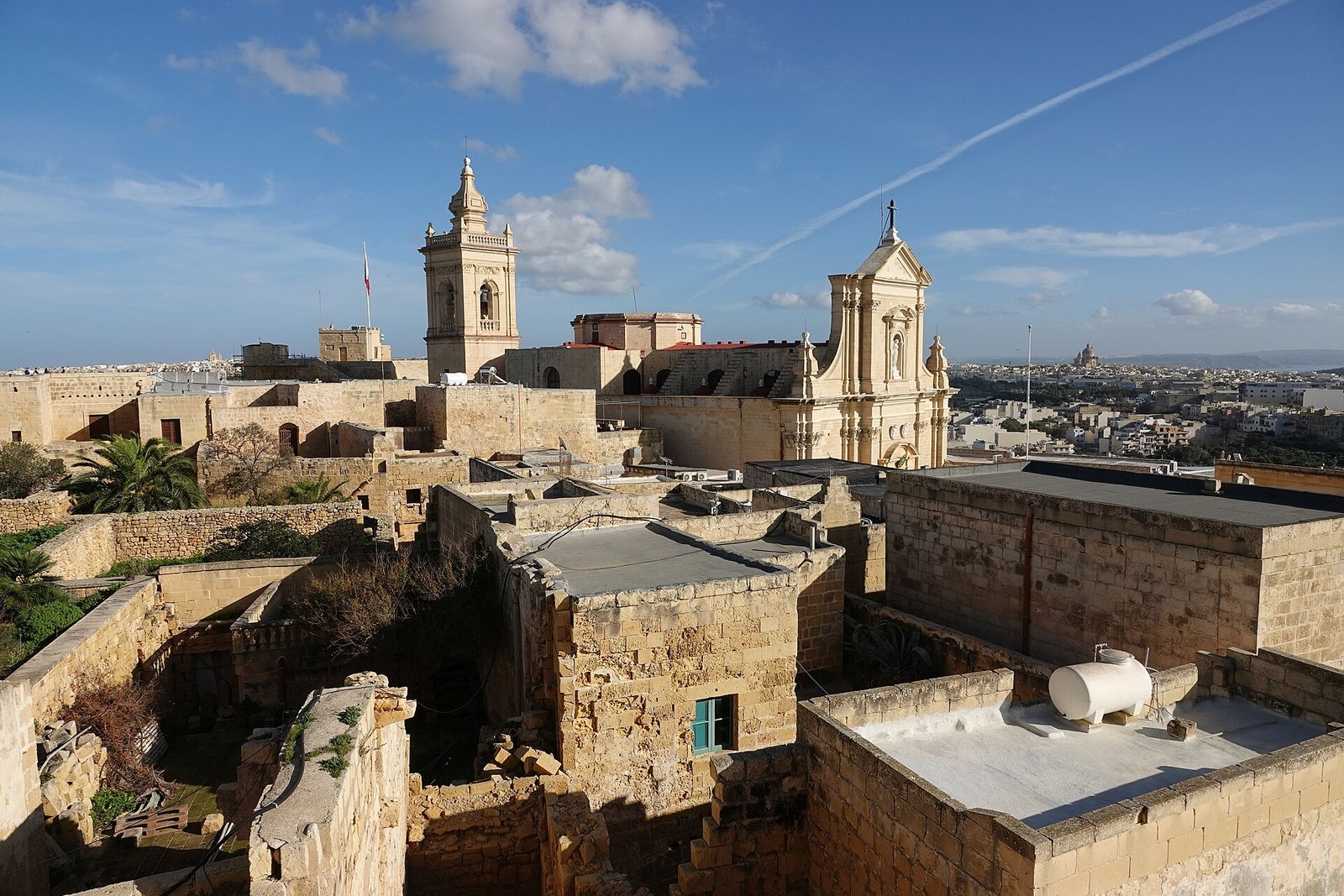
The HalalMalta Blog
New halal openings, food stories, seasonal guides and deeper dives into the places on this page — the reading list for planning your trip.
Browse the blog →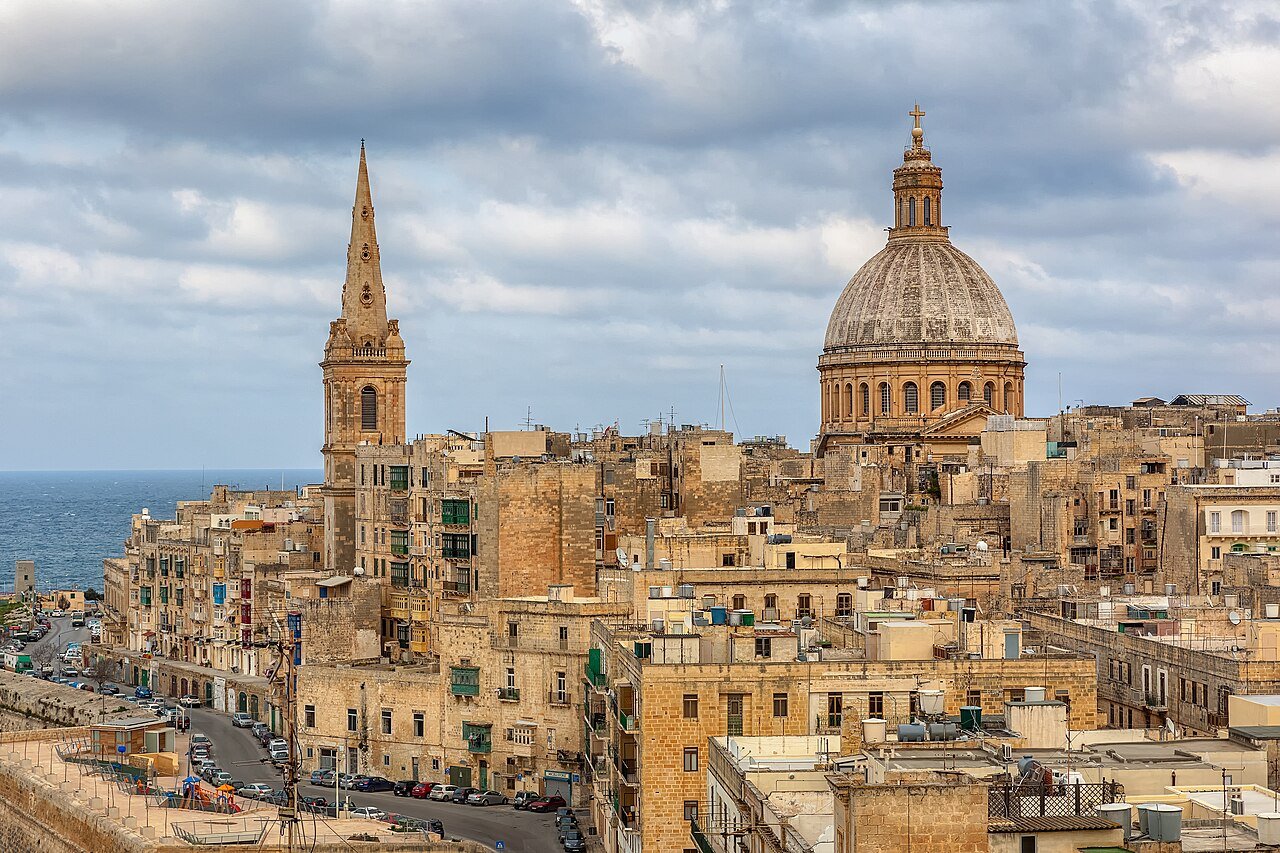
Halal Food by Location
The locations guide maps Malta’s halal restaurants town by town — Valletta, Sliema, Buġibba and beyond — so dinner is never a research project after a sightseeing day.
Explore locations →
Halal Food by Cuisine
Browse by craving instead: Turkish grills and pide, Indian and Pakistani curries, Arabic shawarma and falafel, Asian favourites and a whole page of halal desserts.
Browse cuisines →Quick Answers
Visiting Malta — FAQs
How many days do you need in Malta?
Three to four days covers the highlights: Valletta, Mdina and Rabat, the Three Cities and a boat trip to the Blue Lagoon. With five to seven days, add a full day in Gozo, the southern temples and Marsaxlokk, and proper beach time — no two sights are much more than an hour apart.
What is the number one place to visit in Malta?
Valletta. The whole capital is a UNESCO World Heritage Site, small enough to walk end to end, holding Malta’s greatest single sight — St John’s Co-Cathedral — and its finest view, the Grand Harbour from the Upper Barrakka Gardens. If you see only one place, make it this one.
Is Malta worth visiting for Muslim travellers?
Yes. Malta combines world-class sights with a small but real halal infrastructure: a purpose-built mosque in Paola, halal restaurants across the main towns, airport prayer rooms and a language rooted in Arabic. Our Muslim Travel Guide covers food, prayer and where to stay in full.
When is the best time to visit Malta?
Spring (April to June) and autumn (September to October) hit the sweet spot: warm enough to swim, mild enough to sightsee all day, and noticeably quieter than peak summer. July and August bring the hottest weather and the biggest crowds, while winter is mild and green, though the sea is cool.
How do you get to Gozo and Comino?
Gozo is reached by the car-and-passenger ferry from Ċirkewwa, at Malta’s northern tip, to Mġarr — about 25 minutes, running day and night. Comino has no cars and no ferry port: boats and day-trip cruises run to the Blue Lagoon from Ċirkewwa and Marfa, and in season from Buġibba and Sliema. See VisitMalta for the latest visitor information.
Can you see Malta’s top sights without a car?
Yes — the public bus network reaches every town on this page from the Valletta terminus, and the ferries do the rest. A car (or the occasional taxi) just makes the scattered sights easier: the southern temples and Blue Grotto, the Dingli Cliffs, and getting around Gozo all reward your own wheels for a day.
Photos: Mdina Gate by Joseolgon (CC BY 4.0); Blue Lagoon by Frank Vincentz (CC BY-SA 3.0); Fort St Angelo from Senglea by Txllxt TxllxT (CC BY-SA 4.0); Ġgantija Temples, Ħaġar Qim, Popeye Village and St Paul’s Catacombs by Diego Delso (CC BY-SA 4.0); Gozo Citadel by Nenea hartia (CC BY-SA 4.0); Blue Grotto by Simo.Albo80 (CC BY-SA 4.0); Marsaxlokk luzzu by Kritzolina (CC BY-SA 4.0); Mosta Rotunda by VillageHero (CC BY-SA 2.0); Golden Bay by Majjistral Park (CC BY-SA 4.0); St John’s Co-Cathedral by Simon Burchell (CC BY-SA 4.0) — via Wikimedia Commons. Further photos from the HalalMalta library, credited on their pages.
Plan Your Malta Trip
You have the sights — now pair them with the food: start with the Muslim Travel Guide, then find halal restaurants near your stay.
Read the Muslim Travel Guide Find Halal Food Near You